Jesse Miller was a guest speaker in our EDCI 336 class last week. What he presented to us provoked many new thoughts and ideas in my head. Based on the conversations we had at the end of class, I think a lot of my peers would agree.
My background is in biology, mostly ecology and environmental science, and I’m a huge advocate for outdoor classrooms/schools and I always seek to connect youth with the natural world. But that being said I definitely do think that technology, including social media, should be utilized for learning. For many students, the access to and usage of technology will be a crucial component to success in our exponentially increasing technological society. And I think that using social media apps such as TikTok, Instagram, Twitter, etc. right now (all the most popular apps amongst secondary students) is a great idea. The argument that using these apps in school will be damaging to students mental health because it is “hooking” them on to a form of social media designed for endless scrolling is still important to talk about. But I think it’s even more important to teach kids that these apps can be very beneficial sources of knowledge, communication and connection, and how they can properly curate their feed to receive positive information and not believe everything they read. If it’s going to be downloaded on your phone or you’re going to interact with it from time to time – why not understand how to use it to your benefit? After I mindfully curated and understood the algorithms of my Instagram, Facebook and TikTok feeds, my relationship with these apps became a lot healthier. It is also easier for educators to meet students where they’re at – by utilizing the technologies they’re already using. Introducing new forms of media, programs, websites, etc. is also great too. I agree with all of it as long as accessibility doesn’t become an issue for some students and material is consciously selected for the students’ educational advantage.
Another thought I had while listening to Jesse speak: I think that secondary school students these days (aka the past 2 years during the pandemic) aren’t going to become overly engulfed or addicted to new technology in the classroom because they are generally trying to disconnect and reduce high amounts of screen time. Having to take classes over Zoom and use multiple online platforms to communicate with their teachers, friends, family (essentially everyone), is extremely tiresome. I think most of these teenagers are smart enough to realize that in-person interactions and hands-on learning are still necessary and there should be a healthy balance between tech and no tech experiences. This past summer I was working with a crew of 16-18 year old boys at a wildfire base in Southern Alberta. Upon the crews arrival I had individual Zoom meetings with each member to give them information regarding their upcoming work experience program. One thing I had to tell them was that there was no WiFi and no cell service at the base, and that we would only be able to get service a couple times a week when we went into town. I thought this was going to be a problem, but to my surprise every single crew member was really excited that they were going to get a break from their phones. Some said they “would rather have it that way”. Although it was a small sample of teenagers, it was evidence that youth are still enjoying technology-less experiences. After getting to know the crew better, it was evident that they all understood both the positive and negative sides to their relationships with technology (wether it be social media, gaming, YouTube, etc. etc.). I hope this awareness can be passed on to everyone!
Incorporating technology and nature together in an educational context has always interested me and is something I hope to explore more. The app iNaturalist is one of my favourite apps and has actually made me go on long walks in the forest to discover new plant and insect species. Other cool tech/ media literacy + nature ideas I’ve thought of for science (off the top of my head) are:
- Recording nature sounds and then learning how to use sound mixing/video technologies to create “soundscapes”. Mostly a creative project but could also be used to learn bird calls, insect sounds. Can also incorporate music production.
- Photography – Taking photos in nature then learning photo editing tech or give a better understanding of biology subject material such as the biodiversity and levels of a forest, types of clouds, parts of a plant, layers of rock or soil sediment, etc.
- Using natural materials to build new technologies! Natural building, bushcraft, gardening and permaculture – to design water catchers, harness solar and wind energy, discuss waste management and resource management, create natural dyes, discuss food systems.
- Using technology and media for citizen science, BioBlitz, public databases, mapping (eg. ArcGIS open source maps) – any app that collects data.
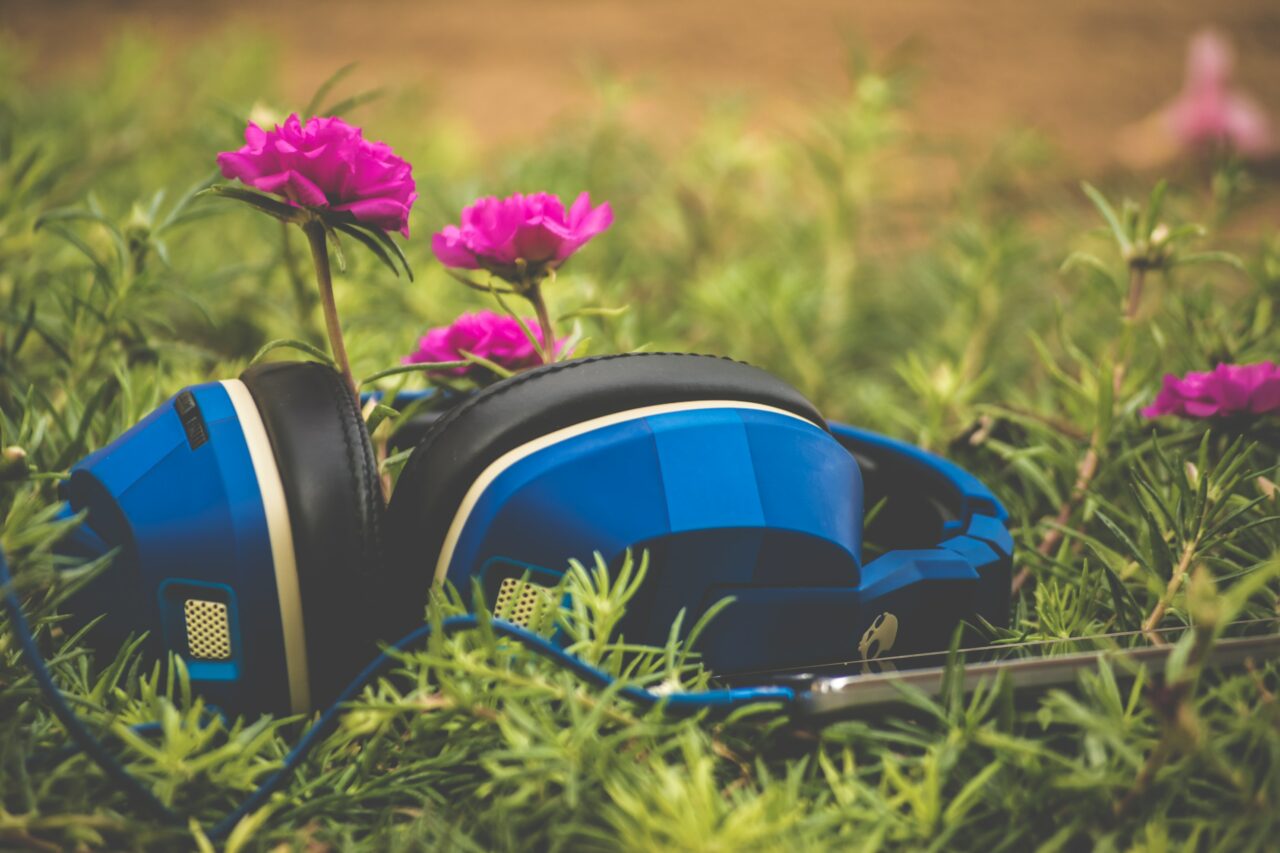
Featured image: Photo by Sai Kiran Anagani on Unsplash
Leave a Reply
You must be logged in to post a comment.